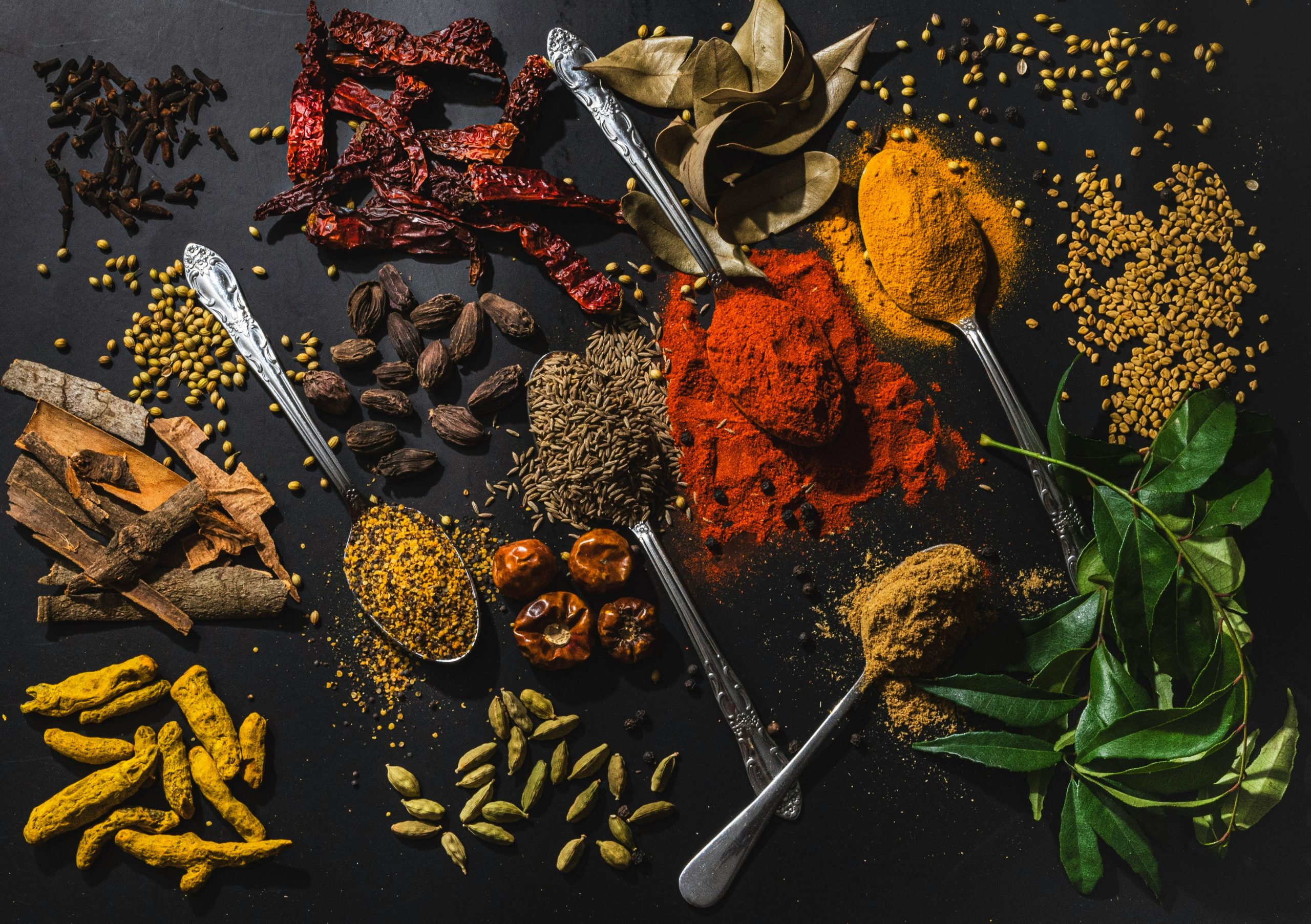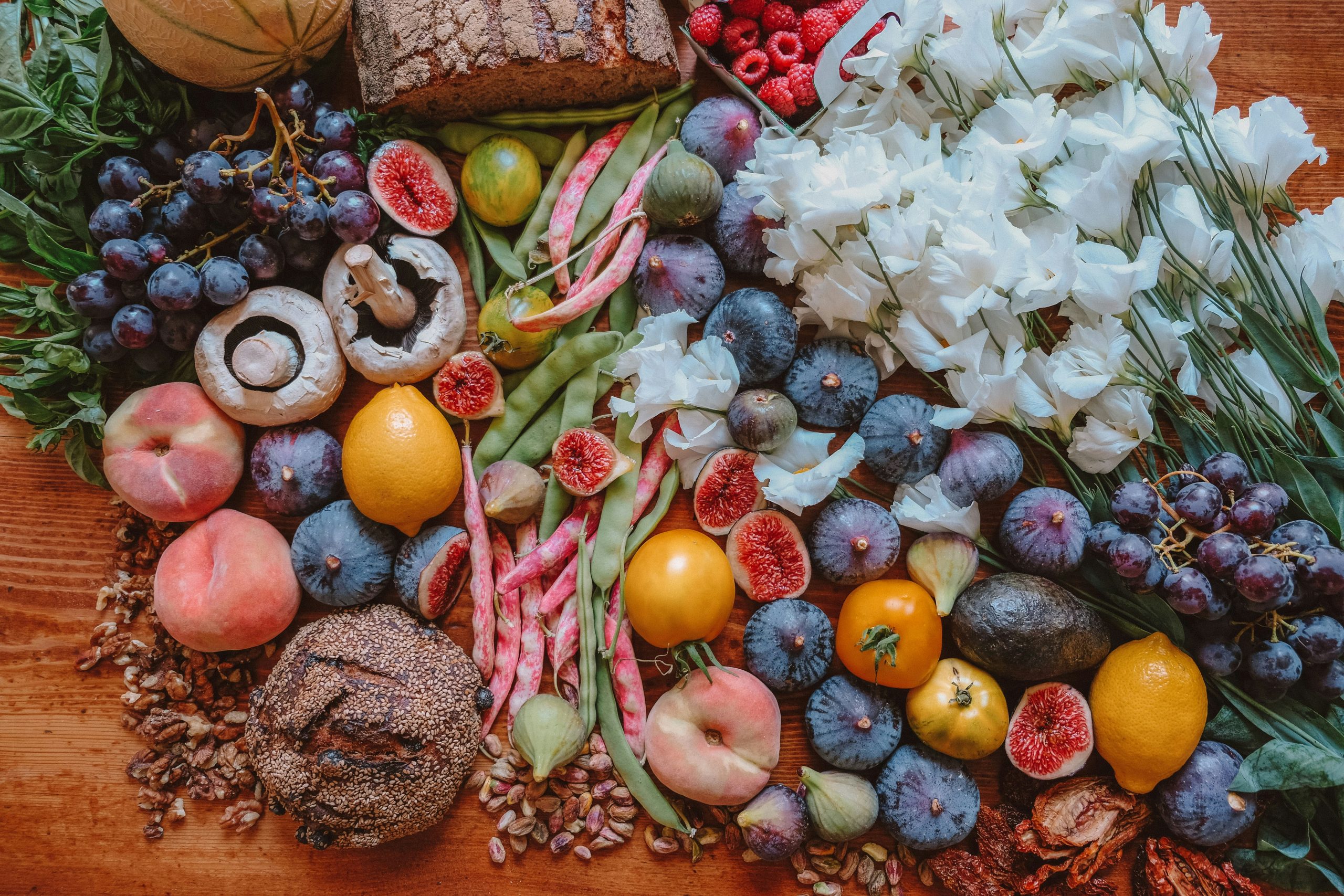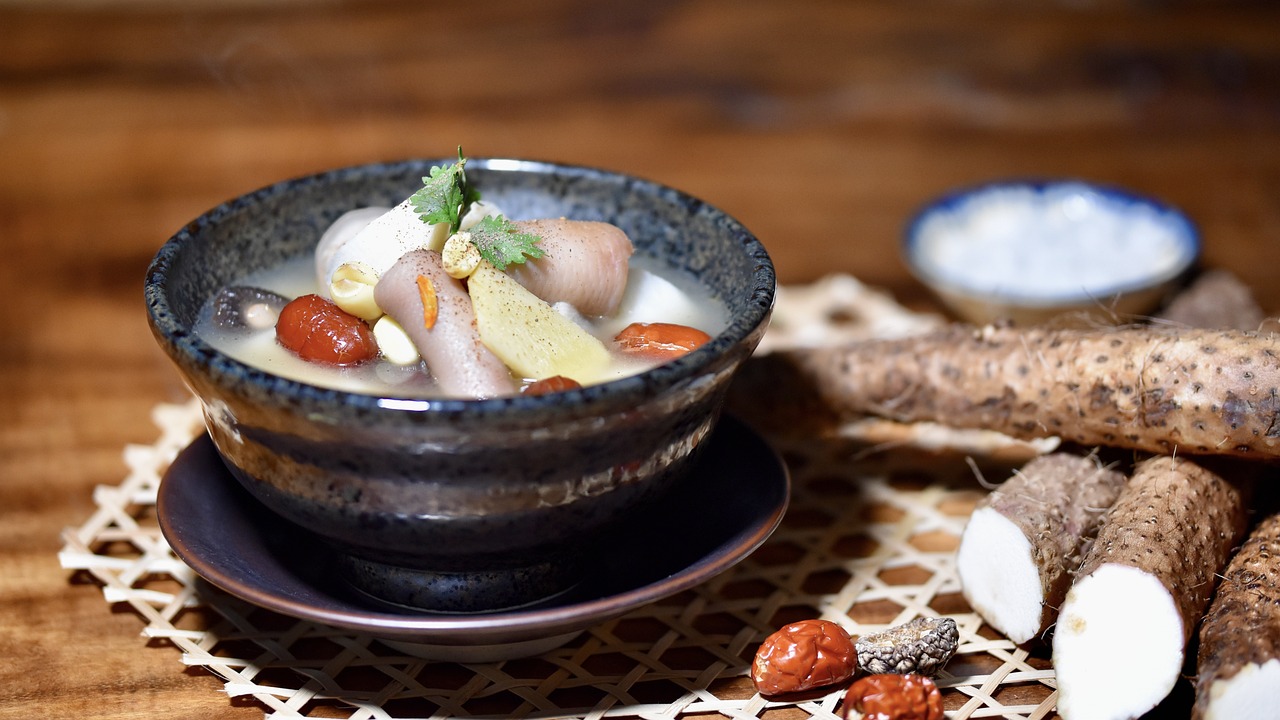
Nutrition plays an important role in Chinese Medicine – though it is understood in a different way than in many modern dietary concepts. Chinese Medicine is a consistently individualised medical system. Therefore, there are no universally valid dietary rules and no foods that are inherently ‘right’ or ‘wrong’. All recommendations are always considered in relation to the individual person, their current condition, and their Chinese medical diagnosis.
The following information provides general orientation and is intended to offer insight into how diet and nutrition is understood in Chinese Medicine – including its perspective on current dietary trends.
For patients, more specific dietary recommendations are given based on the individual pattern diagnosis and therapeutic focus.
The Thermal Nature of Foods
A central concept in Chinese Medicine is the thermal nature of foods. Foods are not classified according to their actual temperature, but according to their energetic effect on the body – ranging from cold and cooling, to neutral, warm, and hot.
This classification is particularly relevant when patterns involving heat or cold are present. Depending on the situation, foods may have a balancing effect or may reinforce existing tendencies. A cooling food, for example, can be relieving in cases of internal heat, but may be unsuitable in cold or deficiency patterns.
For this reason, the thermal nature of foods should always be considered in the context of an individual diagnosis. An overview of foods and their thermal qualities can be found at the end of this article.
Effects of Foods on Fluid Metabolism in Chinese Medicine
In addition to their thermal nature, Chinese Medicine also considers how foods affect the body’s fluid metabolism. From this perspective, foods may have a moistening effect or may contribute to drying.
Under modern living conditions and contemporary eating habits, many people tend to develop so-called dampness patterns. These may manifest, for example, as a feeling of heaviness, sluggishness, or digestive discomfort. In such cases, the choice of foods plays an important role in regulating fluids appropriately.
An overview of selected foods according to their effect on fluids and dampness can be found at the end of this article.
Vegetarian and Vegan Diets from the Perspective of Chinese Medicine
The following assessment is intended to be understood as purely medical and pragmatic from the perspective of Chinese Medicine. It does not represent a moral or ethical judgement and is not meant to evaluate or question individual dietary choices.
From a Chinese medical point of view, the body requires certain foods in order to maintain and build its substance. This concept aligns well with nutritional science; specific amino acids, minerals, and vitamins must be supplied through diet to maintain health.
From a Chinese Medicine perspective, the formation of blood is a process that is closely linked to nutrition. Traditionally, animal products – especially red meat – are regarded as nourishing to the blood. When these are absent over longer periods, so-called blood deficiency patterns are commonly observed in clinical practice. This is particularly relevant for women, who generally have a higher demand due to monthly blood loss.
From a scientific perspective, it is also well established that certain nutrients – such as vitamin B12 – are primarily obtained from animal sources and must be supplemented in vegetarian or vegan diets. The specific blood-building qualities attributed to red meat in Chinese Medicine can only be partially compensated for by plant-based foods. At the same time, Chinese herbal medicine offers many blood-nourishing formulas that rely exclusively on plant substances. A vegetarian or vegan diet is therefore not an obstacle to treatment within Chinese Medicine.
Raw Food, Fasting, and Intermittent Fasting
From the perspective of Chinese Medicine, raw food diets are generally classified as energetically cold and primarily affect the stomach and spleen – the functional systems responsible for digestion, transformation, and energy production.
If a pronounced heat pattern is present in the digestive system, a diet rich in raw foods may be temporarily relieving. In cases of cold or deficiency patterns, however, it is usually counterproductive.
Fasting and intermittent fasting are also viewed in a differentiated way. When so-called deficiency patterns are present – meaning a lack of Qi (energy), blood, or both – skipping regular meals may further weaken the body. In such cases, Chinese Medicine tends to recommend regular, nourishing meals.
In cold and Qi deficiency patterns, dampness often develops as a secondary excess pattern. If, under these circumstances, a person eats mainly raw food or fasts for extended periods, two opposing effects may occur simultaneously: accumulated dampness may initially be reduced, leading to a temporary feeling of lightness or clarity, while at the same time the body’s warming and transforming functions are further weakened.
Over time, this may result in a general loss of substance and strength. In such cases, it is often more beneficial to adjust the diet gradually and less radically.
General Dietary Guidelines from a Chinese Medical Perspective
The following recommendations are intentionally general and do not replace individual advice:
- A warm breakfast, such as porridge or congee, or whole-grain foods
- Avoid skipping breakfast whenever possible
- Predominantly cooked or steamed vegetables
- Carbohydrates preferably from whole grains such as spelt, emmer, oats, or rye; refined wheat products should be avoided
- Meat and fish in moderate amounts, approximately once or twice per week
- A light, warm evening meal, ideally something like soup; avoid raw foods such as salads in the evening
- No snacking between meals
- Strongly stimulating flavours and stimulants (very spicy foods, fried foods, sweets, coffee, alcohol) only occasionally
Equally important as food selection is how meals are eaten:
- eat slowly and in a calm environment
- eat mindfully and with enjoyment
- stop eating when you feel about 80% full
Individual Dietary Recommendations
Dietary recommendations in Chinese Medicine unfold their full meaning only within the context of an individual diagnosis. Depending on the pattern, constitution, and life situation, very different priorities may be set.
Individual nutritional advice can therefore be given after a thorough diagnostic assessment and may be adjusted over time as needed.
Foods According to Their Thermal Nature
The classification of foods according to their effects in Chinese Medicine is based on empirical knowledge that has developed over many centuries. As different schools and sources may weigh these experiences differently, some foods are not classified consistently across the literature.
Preparation methods can slightly modify the energetic qualities of foods: cooking and steaming add gentle warmth, while frying or deep-frying introduces stronger heat.
🔥🔥 Hot Foods
Strongly strengthen Yang, promote circulation and metabolism
- very spicy spices (e.g. large amounts of chilli, black pepper)
- heavily fried or deep-fried foods
- coffee, alcohol
🔥 Warm Foods
Support digestion, movement, energy, and internal warmth
Spices & aromatics
- ginger
- garlic
- cinnamon, pepper, cloves
- chilli
Vegetables & herbs
- leek, onion, fennel, cabbage
- rosemary, thyme
Proteins
- lamb, venison (very warming)
- pork, beef
Fruit & nuts
- apricots, plums
- pomegranate
- almonds, walnuts
⚖️ Neutral Foods
Harmonise and strengthen the centre; neither strongly warming nor cooling
Grains
- rice, barley
- millet
- whole grains such as spelt and rye
Vegetables
- potatoes
- carrots
- pumpkin (often neutral to slightly warm)
Proteins
- fish (mostly neutral, depending on type slightly warm)
- chicken, turkey
Oils & fats
- plant oils such as olive or rapeseed oil
🧊 Cold / Cooling Foods
Refreshing, moistening, and cooling internal heat
Vegetables
- cucumber, zucchini, aubergine
- lettuce, spinach, celery
Fruit
- watermelon
- pear
- citrus fruits
- kiwi
- apple
Proteins
- tofu
- soy products
Grains & legumes
- oats, wheat (often classified as cooling)
- mung beans, adzuki beans, kidney beans, chickpeas
Drinks
- water, green tea (energetically cooling)
- ice and ice cream (very cold)
Foods According to Their Effect on Fluid Balance
🟡 Foods That Tend to Promote Dampness
- sugar and sweets, especially refined sugar and artificial sweeteners and flavourings
- dairy products such as yoghurt and cheese
- refined wheat products and highly processed foods (e.g. white bread, pastries)
- fatty or deep-fried foods
- certain tropical fruits such as bananas
- raw and cold foods (e.g. salads, cold drinks)
🟢 Foods That May Help Reduce Dampness
- whole grains such as rye, barley, and millet
- radish and daikon, traditionally used to help dry dampness
- celery, asparagus, fennel
- mushrooms and seaweeds
- bitter herbs and aromatics (e.g. rosemary, sage, green tea)