The following dietary recommendations apply to patients with a Blood Deficiency pattern from the perspective of Traditional Chinese Medicine (TCM), often in accompanied by Yang deficiency.
To better understand these recommendations, I will briefly explain how Chinese medicine views blood and how Blood Deficiency patterns develop. You can also skip directly to the dietary recommendations if you prefer.
What does Blood Deficiency mean in Chinese Medicine?
Blood Deficiency in the sense of Chinese medicine is not the same as the biomedical diagnosis of anaemia or iron deficiency. In practice, the conditions may overlap, but they do not necessarily occur together.
When Chinese medicine speaks about “blood” and “Blood Deficiency”, it refers to more than just the substance that flows through our blood vessels.
Chinese medicine is a system that focuses strongly on functions and relationships within the body. It considers both material structures (such as cells, tissues, or bodily substances) and functional processes (for example the regulation of circulation or digestive activity) as part of a broader understanding of health.
In TCM, the concept of blood therefore also includes the functions and roles attributed to blood within the body. Blood Deficiency describes a situation in which these functions are no longer sufficiently fulfilled. It is therefore a qualitative rather than a quantitative description. Blood Deficiency does not mean that the volume of blood circulating through the body is not enough.
How does a TCM Blood Deficiency pattern develop?
In clinical practice, Blood Deficiency patterns commonly develop through one of three pathways.
Diet
From the perspective of Chinese medicine, the body requires certain nutrients from food in order to produce sufficient blood. Traditionally, meat is considered an important component in supporting blood production.
If these types of foods are absent from the diet for a prolonged period, a Blood Deficiency pattern may gradually develop. Depending on an individual’s constitution, it can take several years before noticeable signs appear.
Blood loss
Significant or repeated loss of blood can also contribute to the development of a Blood Deficiency pattern. Examples include:
- surgery or accidents
- childbirth
- prolonged heavy menstrual bleeding
If the body is unable to sufficiently replenish the lost blood, a Blood Deficiency pattern may develop.
Constitutional predisposition
Some individuals are constitutionally weaker in terms of blood production or storage from birth. In such cases, even relatively moderate stressors can trigger symptoms associated with Blood Deficiency.
How can Blood be nourished from a TCM perspective?
In TCM, several lifestyle factors may help support the body in maintaining and replenishing Blood. Diet plays an important role in this context.
Animal-based foods
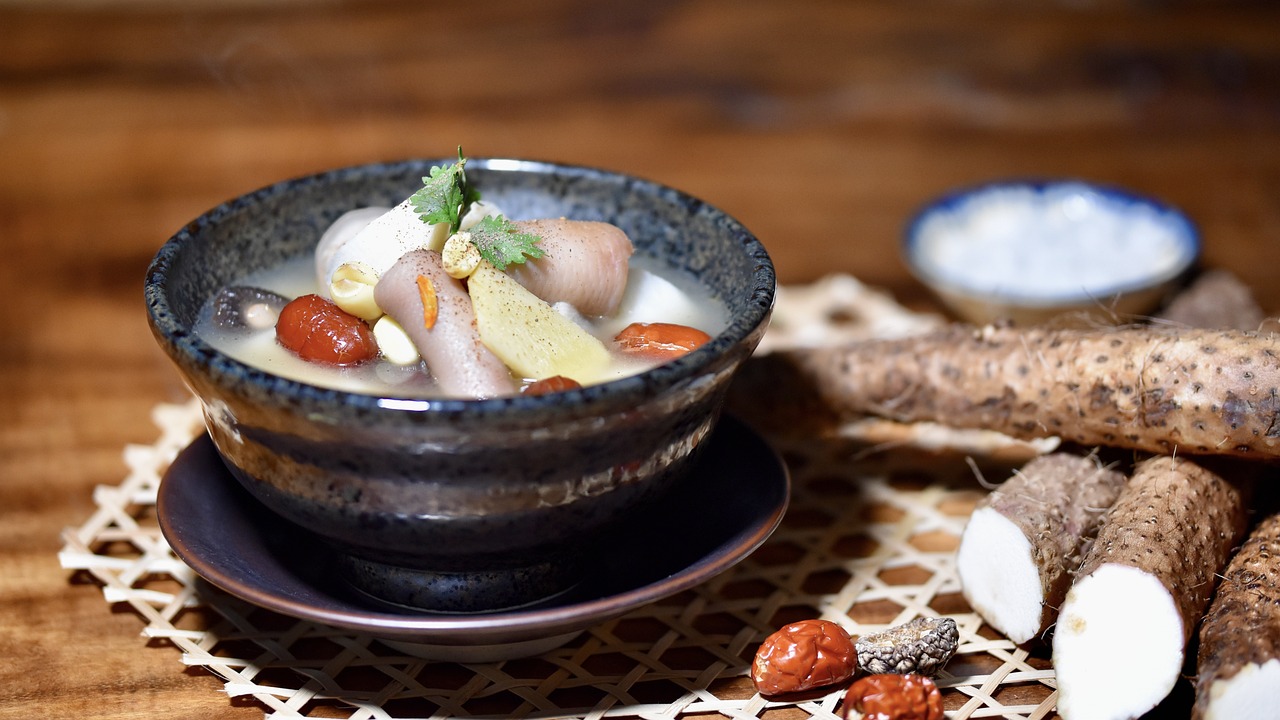
In cases of Blood Deficiency, TCM generally advises not to exclude animal products from the diet. Meat, in particular, is considered supportive for rebuilding blood reserves.
In practice, Blood Deficiency frequently occurs together with Yang Deficiency.
The stronger the accompanying Yang Deficiency, the more Chinese dietary therapy tends to recommend warming red meats, such as beef, lamb and game. Animal products such as liver, kidney, or bone marrow are also associated with nourishing blood in Chinese dietary practice.
If Yang Deficiency is pronounced, it may also be helpful to reduce strongly cooling foods or prepare them in warming ways. (You can find more details in the article on general dietary recommendations.)
If Yang Deficiency is less pronounced, meat products like chicken or pork, and fish are considered alongside other red meat.
It is not necessary to eat meat every day. In more pronounced deficiency patterns, meat can temporarily be included in your meals every day. In most cases, two to three portions per week are sufficient to support blood. Once the deficiency pattern has resolved, one portion of meat per week is enough.
Regardless of meat consumption, maintaining an overall balanced, Blood-nourishing diet remains important.
Plant-based foods
In addition to animal products, many plant-based foods are traditionally associated with supporting Blood in Chinese dietary therapy.
Examples include:
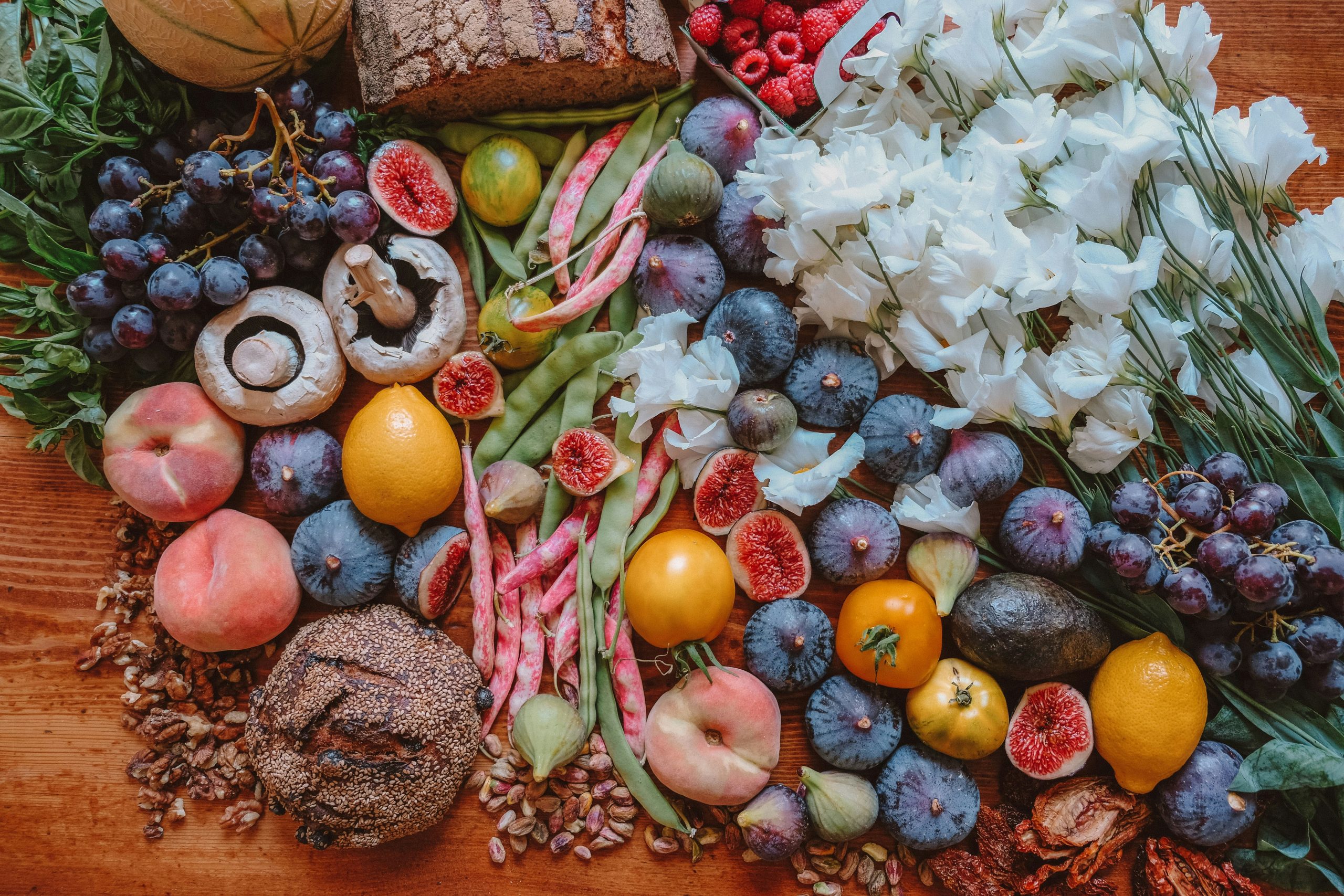
- Dark green vegetables: spinach, mangold, kale, algae and seaweed, mushrooms
- Red and orange root vegetables: beetroot, carrots, sweet potatoes
- Legumes: beans and lentils – but need to be cooked for at least 30 minutes and prepared with warming spices.
- Whole grains: millet, oats, barley
- Nuts and seeds: black sesame seeds, almonds, walnuts
- Fruits: goji berries, red dates (jujube), mulberries, dark berries such as blackberries and blueberries
Eating habits
Chilled or raw foods have to be warmed and broken down by the body before they can be digested, which requires additional energy. For deficiency patterns, warm, cooked meals are generally considered easier for the body to process.
Meals should also be eaten regularly. Fasting is not recommended in cases of blood or Yang Deficiency.
Enjoying food, eating slowly, and chewing thoroughly can further support digestion.
Equally important are adequate periods of rest in daily life. Regular breaks and sufficient sleep allow the body time to recover and regenerate.
The recommendations in this article apply exclusively to patients with blood deficiency patterns. If individual dietary advice has been discussed during treatment sessions, this personalised guidance always takes precedence over the general information provided here.
Patterns in Chinese Medicine represent snapshots of a dynamic system. A diagnosis of a blood deficiency pattern in the past does not necessarily mean that the same pattern is still present today.
If you have any questions or are unsure how these recommendations apply to you, you can contact me directly via the contact page.