Xie Xin Tang patterns are characterised by the simultaneous presence of heat and cold within the body. Typically, this involves heat in the Yangming system (associated with the stomach and large intestine), alongside a cold and damp Taiyin system (associated with the spleen and lungs).
This particular combination presents a challenge for nutrition: foods that are strongly heating or strongly cooling may further intensify the existing imbalance. The aim of dietary guidance in this context is therefore to support balance, avoid extremes, and promote steady digestive function.
In general, foods with a neutral, gently warming, or mildly cooling energetic quality are preferred. A more detailed explanation of how foods are classified in Chinese Medicine can be found in the article Diet and Nutrition in Chinese Medicine – Principles and Perspectives.
Eating Habits as a Central Factor
In addition to food selection, how meals are eaten plays a crucial role in Xie Xin Tang patterns:
- eat slowly and in a calm environment
- eat mindfully and with enjoyment
- stop eating at around 80% fullness
- avoid overeating or eating hastily
- avoid snacking between meals
A calm and regular eating rhythm relieves the burden on the stomach and spleen and supports the digestive system’s regulatory processes.
Foods That Are Best Avoided
Avoid Hot Foods
These foods may aggravate existing heat and are best avoided:
- very spicy spices such as chilli or black pepper
- alcohol
- coffee (including decaffeinated and grain-based coffee substitutes)
- deep-fried foods
- foods that are pan-fried until dark or seared
In Moderation: Warming–Hot Foods
Some warming foods are not strictly excluded but should be consumed sparingly and not on a regular basis:
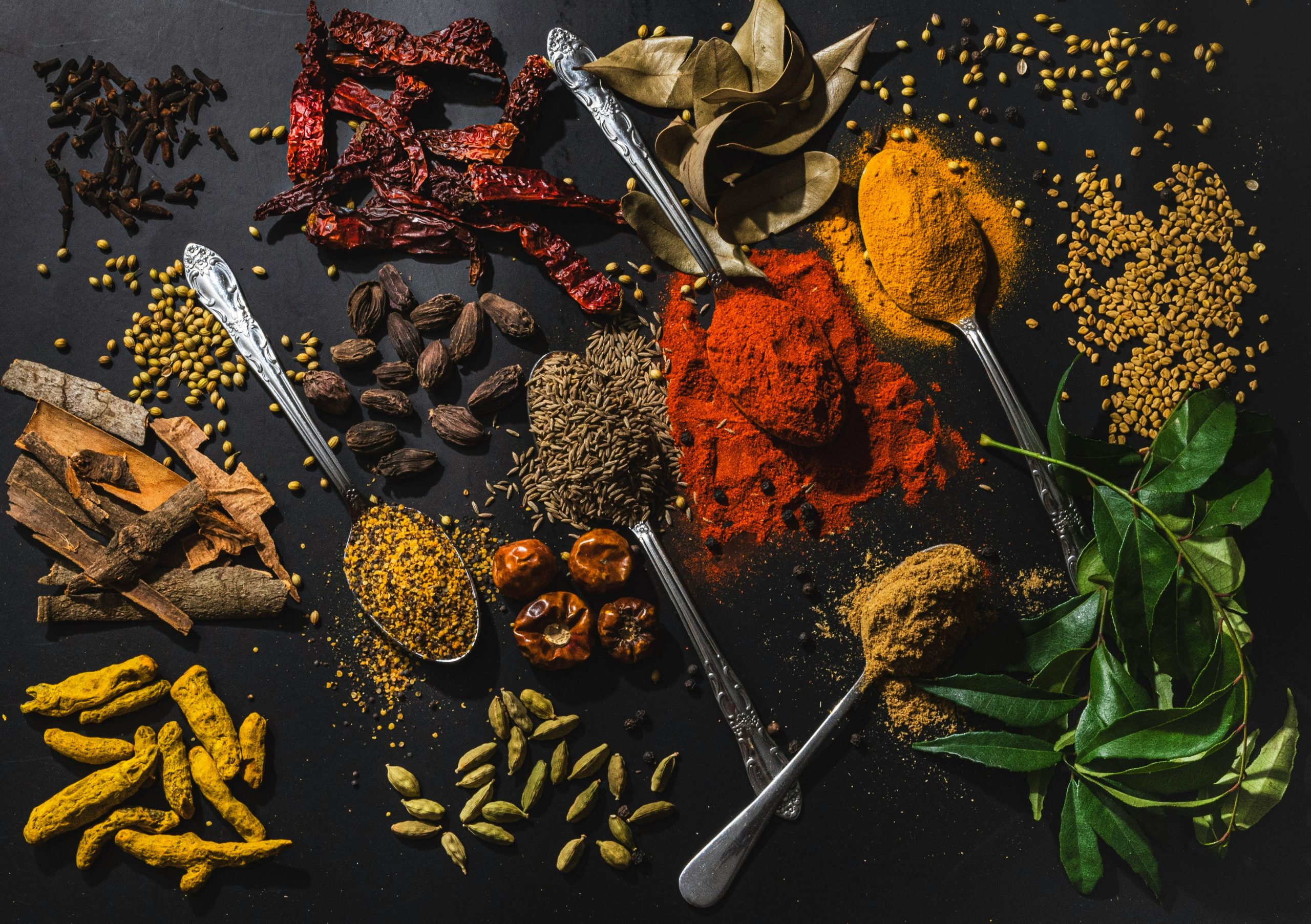
- intense spices such as cloves, allspice, cinnamon, ginger, or garlic
- lamb
- venison
Avoid Cold Foods
Very cold or strongly cooling foods place additional strain on the Taiyin system and should be avoided:
- ice cream and ice-cold foods
- cow’s milk and plant-based milk alternatives
- chilled drinks and drinks with ice cubes
In Moderation: Cooling and Hard-to-Digest Foods
The following foods are cooling or more difficult to digest and should, if consumed at all, be eaten only in small amounts and preferably not in the evening:
- melon, cucumber, tofu
- raw fruit, raw vegetables, and salads (if consumed, ideally combined with warm components)
- legumes such as beans, chickpeas, or edamame
- refined wheat products
- sweets
Suitable Cooking Methods
Preparation methods have an influence on the energetic effect of foods. For Xie Xin Tang patterns, the following principles apply:
- raw foods should preferably be heated
- choose steaming, boiling, or gentle baking (mild warmth)
- avoid strong pan-frying, grilling, or roasting
Suitable Breakfast Options
A warm, easy-to-digest breakfast supports the daily rhythm and relieves the digestive system:
- porridge made from oats or quinoa flakes
- add flaxseed, chia seeds, or nuts
- served with stewed fruit or compote
- congee, including savoury versions with vegetables
- whole-grain breads such as rye bread, lightly toasted
Raw-based breakfast options such as Bircher muesli or overnight oats are less suitable, as they are considered energetically raw and cooling.
Suitable Options for Cooked Meals
- generous portions of cooked vegetables (steamed, boiled, blanched, or gently baked)
- soups and stews, or vegetables as a side dish
- meat and fish in moderate amounts, approximately once or twice per week
- carbohydrates preferably from traditional grains such as rye, emmer, spelt, or oats, ideally whole grain
Suitable Options for Quick Meals or the Evening Meal
- reheated leftovers
- rye or whole-grain bread with seeds, lightly toasted
- light, warm soups
In the evening, raw or heavy foods should be avoided. Smaller portions are generally better, and meals should not be eaten right before going to bed.
Fasting and Intermittent Fasting
Short periods of fasting, typically around three to seven days, as well as intermittent fasting, may be appropriate in some cases of Xie Xin Tang patterns, depending on the individual situation.
It is important, however, that these approaches are not maintained over extended periods. If underlying deficiency patterns are present, prolonged or frequent fasting can further weaken the body. Duration and form should therefore be individually adjusted and reviewed regularly.
The recommendations in this article apply exclusively to patients with Xie Xin Tang patterns. If individual dietary advice has been discussed during treatment sessions, this personalised guidance always takes precedence over the general information provided here.
Patterns in Chinese Medicine represent snapshots of a dynamic system. A diagnosis of a Xie Xin Tang pattern in the past does not necessarily mean that the same pattern is still present today.
If you have any questions or are unsure how these recommendations apply to you, you can contact me directly via the contact page.