Classical Chinese Medicine & Acupuncture Practice in Frankfurt am Main


Welcome to my website for Classical Chinese Medicine in Frankfurt am Main – offering a holistic approach tailored to your individual needs.

If German is not your first language, an English-speaking practitioner can be a real comfort. Having studied and practiced Chinese Medicine in London, UK, I offer consultations in both English and German and warmly welcome international patients.

Profile image of Leonie Boffinger – English-speaking acupuncturist and practitioner of Classical Chinese Medicine in Frankfurt am Main

About Leonie Böffinger

With a Master’s degree in Chinese Medicine and several years of clinical experience, Leonie practices Classical Chinese Medicine in Frankfurt am Main, specialising in acupuncture, Chinese herbal medicine, and Tuina.

Individual Treatment Plans in Chinese Medicine

A thorough and attentive diagnosis forms the foundation of every treatment in Classical Chinese Medicine. Your initial consultation includes a detailed conversation about your current concerns, medical history, and overall health.

Diagnostic methods such as pulse and tongue analysis help to gain deeper insights into your individual situation. Over the course of treatment, your response is closely observed, and the therapeutic approach is reviewed and adjusted when necessary.

Classical Chinese Medicine and TCM – what’s the difference?

Classical Chinese Medicine is rooted in foundational texts of Chinese Medicine, such as the Shang Han Lun. These classical writings continue to inform diagnostic thinking and therapeutic considerations to this day.

The term TCM, strictly speaking, refers to a more modern adaptation of these traditional concepts. In everyday language, however, TCM is often used as a general term to describe Chinese Medicine as a whole.

You can learn more about these differences between these approaches to Chinese Medicine in my blog post:

Methods of treatment in Chinese Medicine
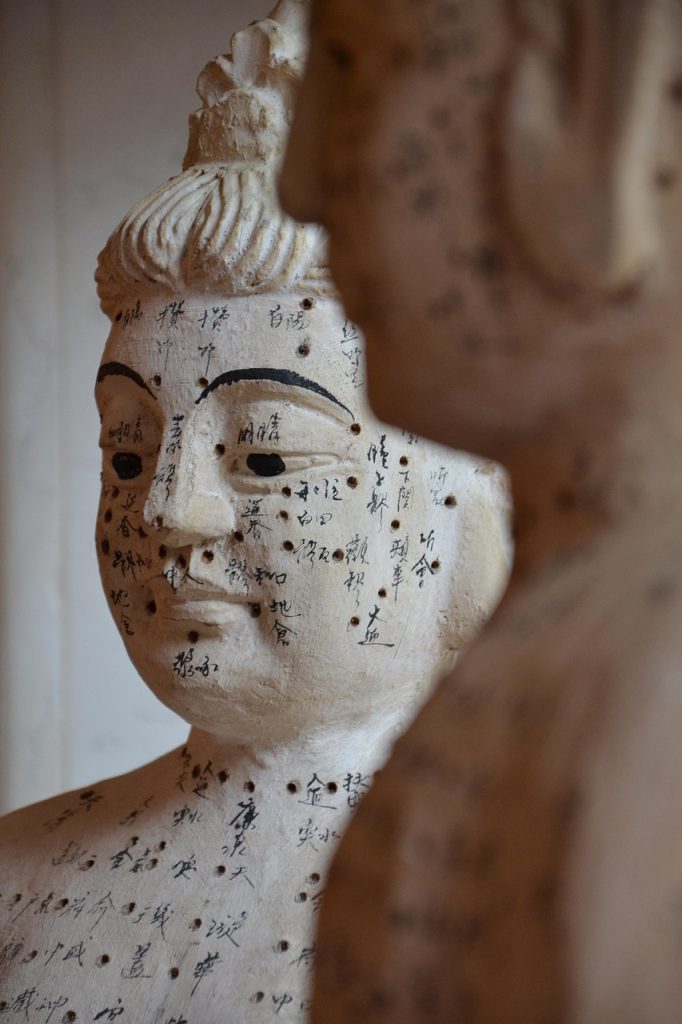
Acupuncture

In TCM, Acupuncture is used to support the body’s energetic balance and is commonly applied in cases involving stress, functional musculoskeletal concerns, or meridian imbalances.
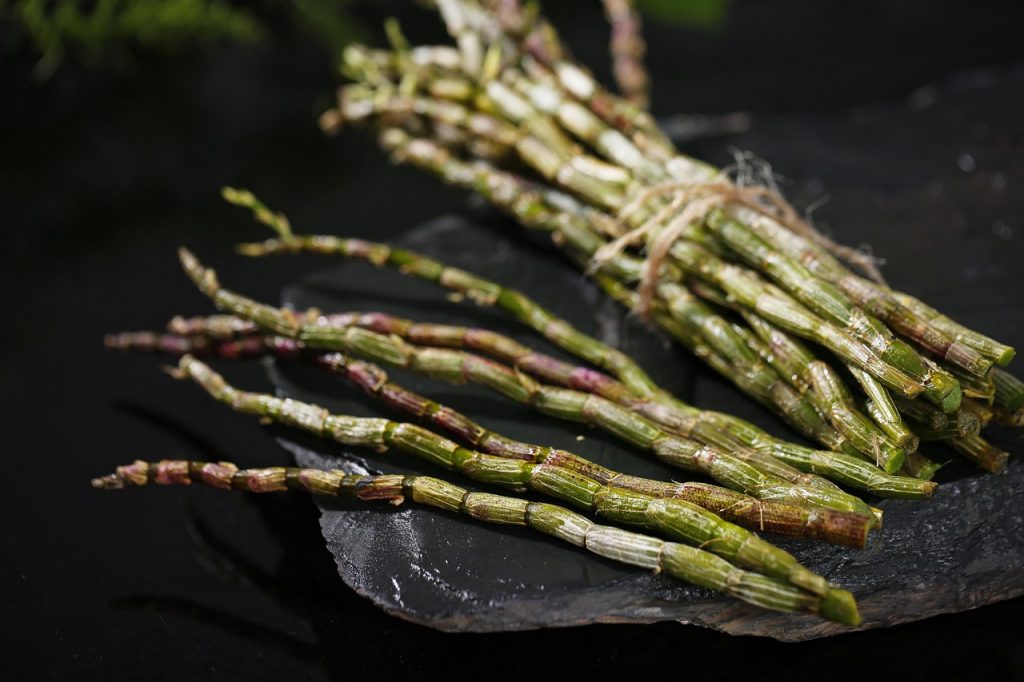
Chinese herbal medicine

Chinese herbal medicine is used to address more complex TCM patterns and often complements acupuncture treatments.
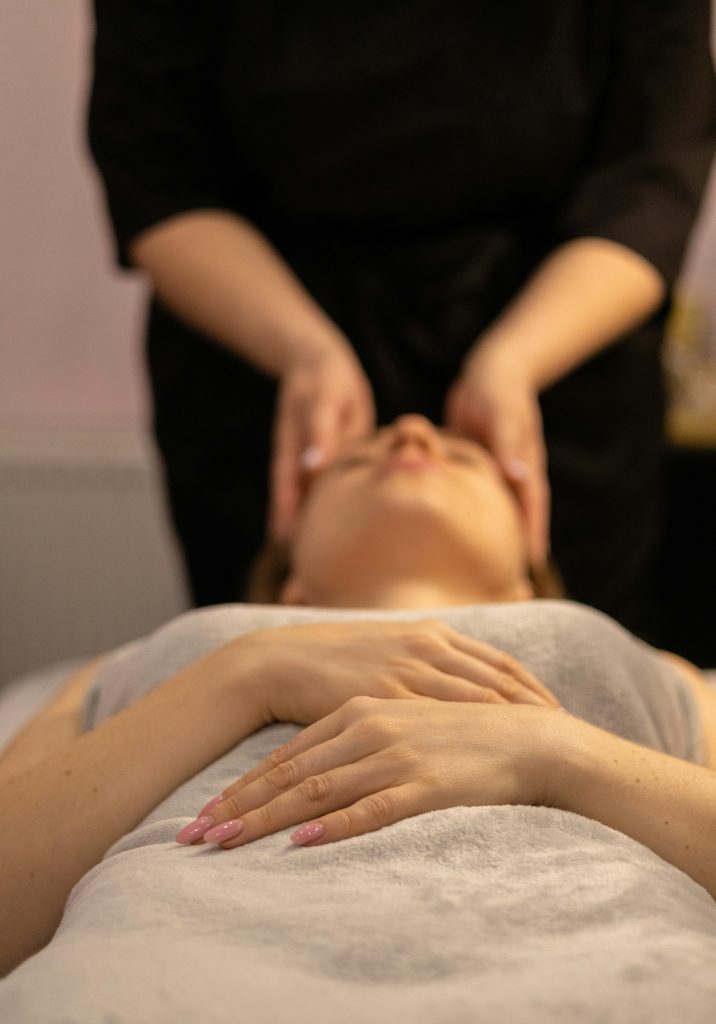
Tuina

Tuina includes manual techniques, Gua Sha, cupping, herbal lotions, as well as silk and towel methods. It can be a supportive element for musculoskeletal discomfort and general well-being.

Common concerns addressed with Acupuncture and Chinese Medicine

Chinese Medicine takes a holistic approach, allowing it to provide supportive care in a wide range of areas. The following examples reflect common concerns discussed in consultations and are provided for informational purposes only. They do not replace individual medical advice.
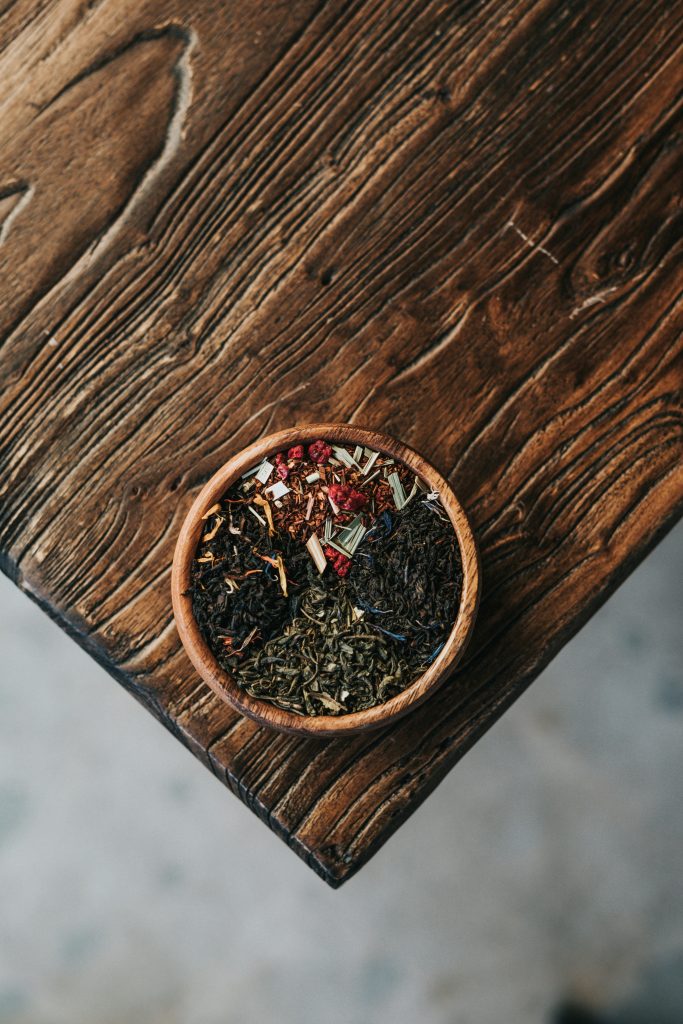
Digestive problems such as abdominal pain, bloating, or functional digestive complaints.
Stress-related and psychosomatic issues, such as chronic fatigue, sleep difficulties, anxiety or irritability.
Recurring infections or increased susceptibility to illness
Hormonal changes and accompanying symptoms, such as fatigue, weight fluctuations, or mood swings.
and much more…
Different conditions require different treatment approaches. During your first consultation, we will discuss which options may be appropriate for your individual case.

Appointments & enquiries:

If you would like to schedule an appointment or have any questions, I am happy to hear from you.

Scroll to Top