Tuina
Alongside acupuncture, Chinese herbal medicine, movement practices (Tai Chi and Qi Gong), and dietary therapy, Tuina is one of the principal branches of Chinese Medicine.
Although Tuina is often referred to as ‘Chinese massage’, it encompasses far more than massage techniques alone. It includes a wide range of manual techniques, many of which have little in common with a conventional massage. A more accurate description is that Tuina represents the branch of Chinese Medicine concerned with manual therapy techniques.
Tuina focuses on the musculoskeletal system and the meridians. It is based on the same principles and understanding of the body in movement as Tai Chi and Qi Gong. The aim of treatment is to support the free flow of Qi and Blood while promoting the healthy function of muscles, tendons, joints, and the meridian system.
What Is Tuina Used For?
Tuina is primarily used to treat musculoskeletal conditions as well as disruptions to the flow of Qi within the meridian system.
This includes a wide range of orthopaedic and musculoskeletal problems, such as muscle tension, joint problems, acute and chronic pain, and the treatment of injuries.
Depending on the nature of the condition, different manual techniques are used. These techniques can help relieve tension, improve joint mobility, and support the smooth flow of Qi and Blood through the meridians.
As acupuncture also plays an important role in the treatment of many pain conditions, it is often combined with Tuina. The two approaches complement each other and can enhance the overall effect of treatment.
How does Tuina work?
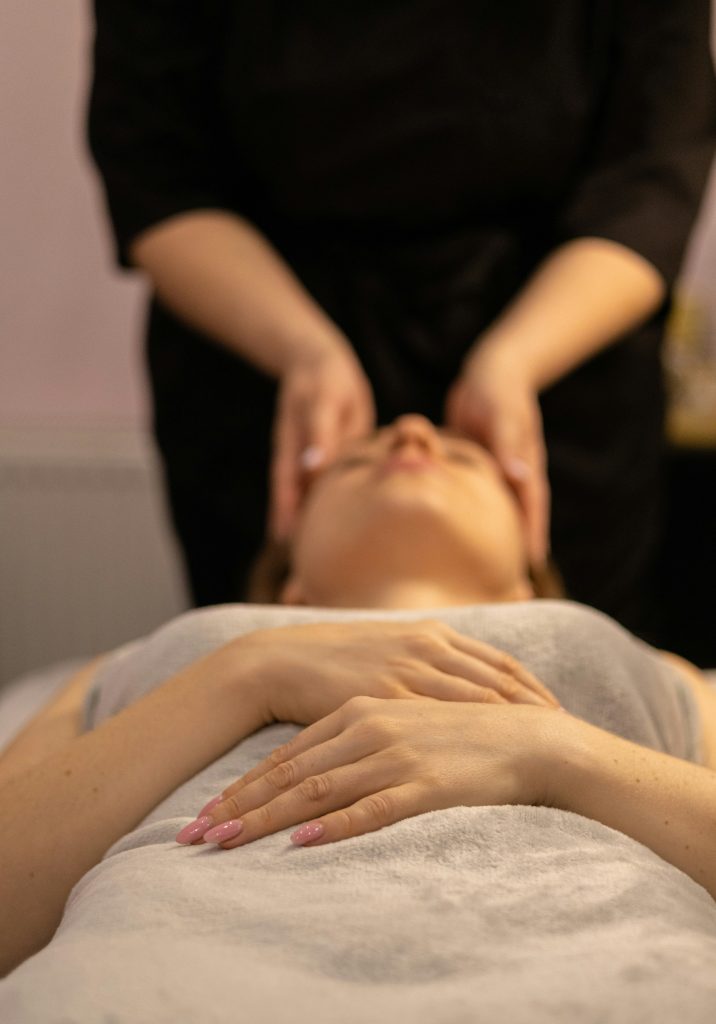
Tuina techniques are used to support the flow of Qi and Blood, release blockages, and release tension in muscles or soft tissue.
Tuina encompasses a wide range of manual techniques. Some are performed with firm pressure, while others are so gentle that they are barely noticeable. The techniques selected always depend on the individual’s condition and the Chinese medical diagnosis.
In addition to manual techniques, Tuina also includes a number of complementary methods that may be incorporated into treatment when appropriate:
- Cupping: Suction created within the cups gently lifts the tissues and stimulates local blood circulation.
- Gua Sha: Scraping techniques are applied to the skin and superficial tissues to relieve tension and support the flow of Qi and Blood.
- Massage sticks: Allow for targeted, deeper or broader pressure
- Towel techniques: Can be used to mobilise, stretch, and relax joints and larger areas of the body.
- Silk cloth techniques: Are used for gentle treatment of delicate tissues and small joints, and for influencing the flow of Qi.
What to Expect During a Tuina Treatment
Like all areas of Chinese Medicine, Tuina follows a holistic approach. Rather than focusing on isolated symptoms, it considers the body as an interconnected whole.
Every treatment begins with a TCM diagnosis. For chronic or complex conditions, or when symptoms extend beyond the musculoskeletal system, a comprehensive assessment based on the principles of Chinese Medicine is recommended. For acute or clearly defined conditions – such as a sprained ankle or a repetitive strain injury (RSI) – the assessment can focus only on the musculoskeletal system and the meridians.
Unlike a wellness massage, Tuina treatments do not follow a fixed routine. Instead, the techniques are selected and combined according to the individual’s Chinese medical diagnosis. The choice of techniques and the amount of pressure applied depend on the treatment goals. Tuina treatments can be very gentle or involve firm pressure.
Depending on the condition being treated, treatments may consist entirely of Tuina techniques or can be combined with acupuncture and/or Chinese herbal medicine.
Preventive Medicine
Chinese Medicine is often sought out when symptoms have already developed – sometimes after many other treatment approaches have been tried. Traditionally, however, it also plays an important role in maintaining health and supporting the body’s resilience before significant problems arise. Functional imbalances can often be identified before clear symptoms become apparent. Supportive treatment can be particularly beneficial during periods of increased physical or emotional strain, such as prolonged stress, recovery after infections, hormonal transitions such as menopause, or following surgery. In these situations, Chinese Medicine may help strengthen the body’s adaptive resources, promote recovery, and support long-term health.