Chinese Herbal Medicine
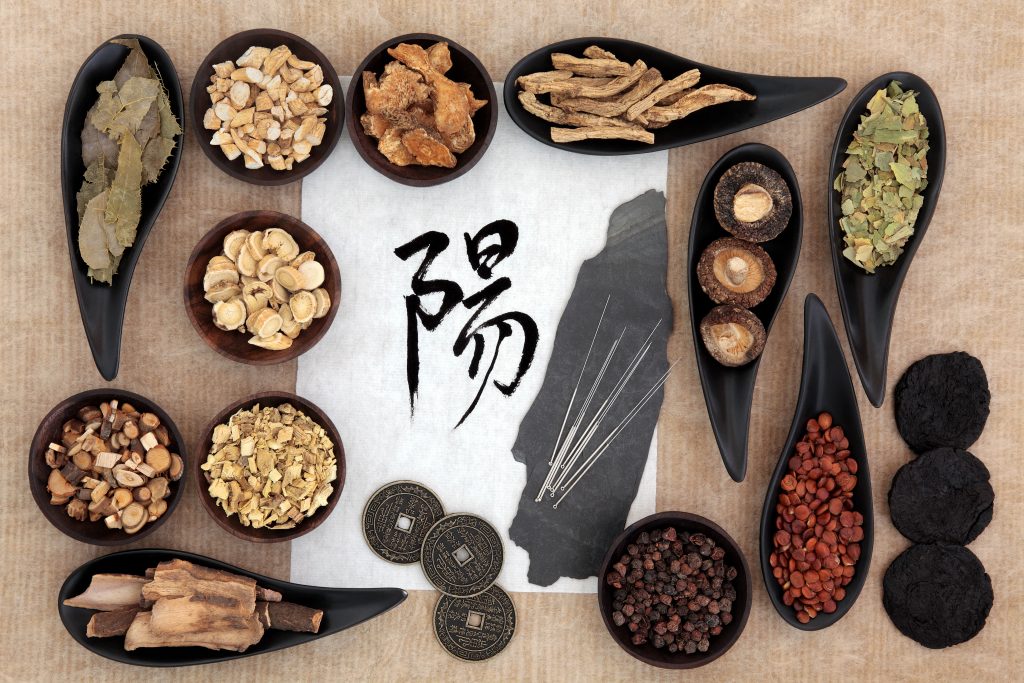
The combination of Chinese medicinal substances into herbal formulas is known as Chinese Herbal Medicine. The term is not quite correct, since this branch of Chinese medicine uses more than just herbs. Apart from various plant-based substances, both minerals and animal-derived ingredients are utilised. Therefore, the term Chinese Pharmacology is more accurate.
Most Chinese herbal formulas are intended for internal use. The dried ingredients are boiled in water to make traditional herbal decoctions, taken as concentrated granules dissolved in warm water, or prescribed in tablet form. Chinese herbs are also used externally in the form of creams, ointments, and herbal extracts.
Chinese herbal medicine increases the therapeutic framework of manual treatments such as acupuncture and Tuina significantly. Herbal formulas work from within and can address TCM patterns that are otherwise difficult to access. In fact, Chinese herbal medicine represents the largest branch of Traditional Chinese Medicine, it is just not as widely known in the west.
How Do Chinese Herbal Formulas Work?
The whole is greater than the sum of its parts. This concept lies at the heart of Chinese Medicine and describes the way herbal formulas are designed. Over thousands of years, Chinese physicians have developed an extensive body of clinical knowledge about how individual medicinal substances interact and how they can be combined to achieve specific therapeutic effects.
In TCM, every medicinal substance is described according to its taste, thermal nature (for example warming or cooling), and its relationship to particular organs, meridians, and functional systems within the body. Within herbal formulas, the relationships of the individual substances to another correspond with physiological processes in the body. Through this way, the body is guided to resolve underlying patterns of imbalance.
Many of the substances used in Chinese herbal medicine have attracted scientific interest. A well-known example is artemisinin, one of the world’s most important antimalarial drugs, which was originally isolated from Artemisia annua (Qing Hao), a plant long used in Chinese Medicine for febrile illnesses. In addition, numerous herbs used in TCM contain compounds with anti-inflammatory, antiviral, antimicrobial, analgesic, circulation-promoting, or antispasmodic properties.
When Is Chinese Herbal Medicine Used?
While acupuncture is primarily used to regulate the flow of Qi in the body, Chinese herbal medicine is used to influence other levels of physiological function.
Chinese Medicine distinguishes between functional substances within the body – Qi, Blood, and Body Fluids – as well as different layers or stages of disease. Chinese herbal formulas are designed to influence these systems directly when the body’s internal balance has been disrupted.
Herbal medicine is particularly valuable when TCM patterns are complex, long-lasting, or involve deeper functional levels of the body. In these situations, herbal formulas play a central role in treatment and can be used alongside acupuncture to achieve a more comprehensive therapeutic effect.
Chinese herbal medicine is used to support people with a wide range of health concerns. It is commonly incorporated into treatment plans for the following conditions:
- Digestive disorders, such as irritable bowel syndrome (IBS) and food intolerances
- Inflammatory bowel diseases (IBD)
- Sleep disorders, including difficulty falling asleep and staying asleep
- Gynecological conditions, such as premenstrual syndrome (PMS) and menopausal symptoms
- Long-Covid and myalgic encephalomyelitis/chronic fatigue syndrome ME/CFS
- Autoimmune diseases
- Skin conditions, including acne, psoriasis, and eczema
- Emotional and psychological challenges, such as stress, anxiety, and burnout
- Pain conditions, including headaches, fibromyalgia, and trigeminal neuralgia
- Respiratory conditions, including asthma and allergies
- Tinnitus and eye conditions
- Musculoskeletal disorders, such as osteoarthritis
What to Expect During Chinese Herbal Medicine Treatment
Every course of treatment in Chinese Medicine begins with a comprehensive initial consultation. During this appointment, we explore your medical history in detail and carry out a TCM assessment, including pulse and tongue diagnosis. This allows for an understanding of the underlying pattern of imbalance and determines the role Chinese herbal medicine can play in the treatment plan.
Chinese herbal formulas are administered twice to three times daily. They are prepared as a traditional decoction by simmering the raw herbs in water, taken as concentrated granules dissolved in hot water, or prescribed in tablet form. The most suitable preparation is chosen based on individual needs and preferences.
Herbal prescriptions are individually prepared by specialised herbal pharmacies and are available only with a prescription from a licensed physician or Heilpraktiker. The pharmacies carry out quality control, including testing for purity and contaminants, and review prescriptions for potential interactions with medications and contraindications.
A TCM diagnosis reflects the body’s current state rather than a fixed condition. As treatment progresses, the underlying patterns change, making regular follow-up appointments an important part of the therapeutic process. During follow-ups, your symptoms and TCM diagnosis are reassessed, and your herbal formula is adjusted if necessary. At the beginning of treatment, follow-up appointments are recommended every 1 – 2 weeks. As treatments progress, the intervals can be extended to every 2 – 4 weeks.
The frequency of follow-up appointments and the overall duration of treatment vary from person to person and depend on your individual health condition, treatment goals, and response to therapy.
Although the term Chinese herbs is commonly used, the Chinese Materia Medica includes not only plant-based ingredients but also minerals and animal-derived substances. If you follow a vegetarian or vegan diet, certain traditional formulas may not be suitable. In these cases, appropriate plant-based alternatives are considered whenever possible.
Preventive Medicine
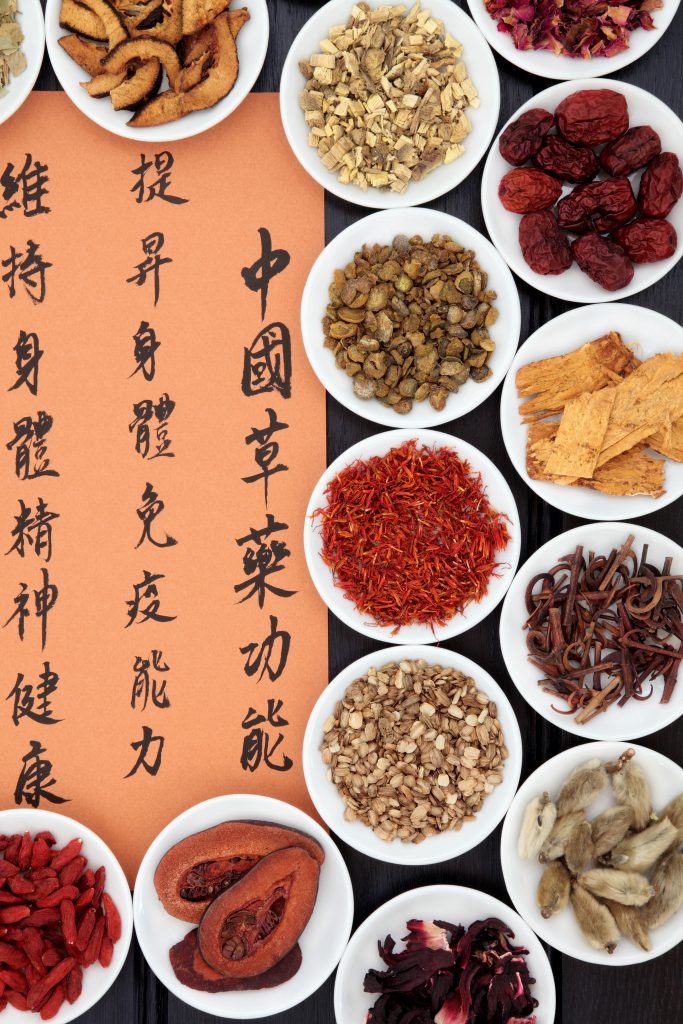
Chinese Medicine is often sought out when symptoms have already developed – sometimes after many other treatment approaches have been tried. Traditionally, however, it also plays an important role in maintaining health and supporting the body’s resilience before significant problems arise. Functional imbalances can often be identified before clear symptoms become apparent. Supportive treatment can be particularly beneficial during periods of increased physical or emotional strain, such as prolonged stress, recovery after infections, hormonal transitions such as menopause, or following surgery. In these situations, Chinese Medicine may help strengthen the body’s adaptive resources, promote recovery, and support long-term health.